這就是“專業(yè)”——聽專業(yè)教師講專業(yè)說方向 人工智能理論與算法軟件開發(fā)
在人工智能浪潮席卷全球的今天,“人工智能理論與算法軟件開發(fā)”作為一門新興的交叉專業(yè)方向,正吸引著越來越多學(xué)子的目光。這個(gè)專業(yè)究竟學(xué)什么?未來能做什么?讓我們跟隨專業(yè)教師的視角,深入解讀這一領(lǐng)域的核心內(nèi)涵與發(fā)展前景。
一、專業(yè)定位:理論為基,算法為魂
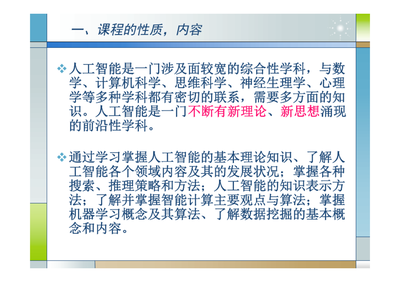
The professional teacher first emphasizes that this major is neither purely theoretical computer science nor merely applied programming. It sits at the intersection of mathematics, computer science, and engineering. Students are expected to build a solid foundation in probability and statistics, linear algebra, optimization theory, and machine learning fundamentals, while also mastering the software engineering skills needed to turn algorithms into robust, scalable systems. In other words, the goal is to cultivate talents who can both understand the “why” behind AI models and implement the “how” in real-world software products.
二、核心課程體系:從數(shù)學(xué)基礎(chǔ)到工程實(shí)踐
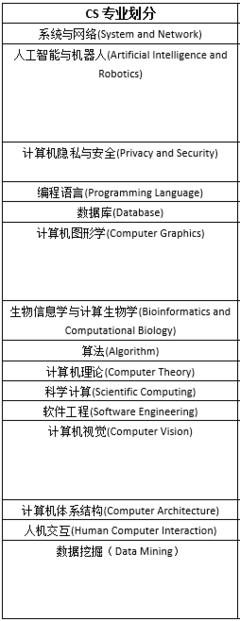
According to the teacher, the curriculum typically covers three layers. The first layer is mathematical foundations: advanced mathematics, matrix analysis, probability theory, and convex optimization. The second layer is AI theory and algorithms: machine learning, deep learning, reinforcement learning, natural language processing, and computer vision, along with courses on algorithm design and analysis. The third layer is software development and engineering: data structures, operating systems, software engineering, distributed systems, and specialized courses like AI framework design and deployment. Through project-based learning, students practice building complete AI pipelines—from data preprocessing and model training to API development and cloud deployment.
三、專業(yè)方向細(xì)分:算法研究 vs. 軟件開發(fā)
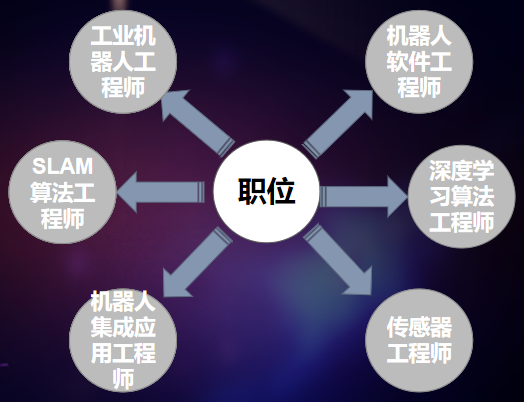
Within this major, students often choose a path. The algorithm research track focuses on designing new models, improving training efficiency, and exploring theoretical guarantees. Graduates may work as algorithm engineers or research scientists in AI labs. The software development track emphasizes system architecture, high-performance computing, MLOps, and building AI-powered applications. Graduates often become AI software engineers, backend developers for intelligent systems, or full-stack AI product developers. The teacher notes that the boundary is blurring: top talent usually possesses both strong algorithmic thinking and solid coding skills.
四、能力培養(yǎng):編程能力、數(shù)學(xué)思維與工程素養(yǎng)并重
The teacher stresses three key competencies. First, programming proficiency—mastering Python, C++, and deep learning frameworks like PyTorch and TensorFlow. Second, mathematical maturity—the ability to formalize problems and reason about model behavior. Third, engineering discipline—version control, testing, code review, and collaborative development. Internships and open-source contributions are highly encouraged, as they bridge the gap between classroom theory and industrial practice.
五、就業(yè)前景與挑戰(zhàn)
Graduates are in high demand across industries: internet companies, finance, healthcare, autonomous driving, and smart manufacturing. Roles include machine learning engineer, AI algorithm engineer, data scientist, and AI software developer. However, the teacher reminds students that the field evolves rapidly. Continuous learning, reading research papers, and staying updated with new frameworks are essential. Moreover, ethical considerations and responsible AI development are becoming part of the professional standard.
六、給考生的建議
專業(yè)教師給出建議:如果你對(duì)數(shù)學(xué)有耐心、對(duì)編程有熱情、對(duì)智能系統(tǒng)有好奇心,這個(gè)專業(yè)會(huì)很有吸引力。高中階段可以加強(qiáng)數(shù)學(xué)和英語,嘗試學(xué)習(xí)Python編程,參與簡(jiǎn)單的AI項(xiàng)目或競(jìng)賽。大學(xué)期間應(yīng)主動(dòng)尋找科研機(jī)會(huì)和實(shí)習(xí),構(gòu)建自己的作品集。記住,人工智能理論與算法軟件開發(fā)不僅是寫代碼,更是用計(jì)算的方式理解智能、創(chuàng)造價(jià)值。
這就是“專業(yè)”——一門既需要仰望星空的理論探索,又需要腳踏實(shí)地的工程實(shí)踐的學(xué)科。選擇它,意味著選擇了一條終身學(xué)習(xí)的道路,也意味著站在了技術(shù)變革的前沿。
如若轉(zhuǎn)載,請(qǐng)注明出處:http://www.cabrss.com.cn/product/45.html
更新時(shí)間:2026-10-24 07:12:51